
Instead of purchasing a specific character or weapon directly, players may spend virtual currency for a chance to receive it. Sometimes they get exactly what they wanted. Sometimes they receive something else entirely.
That uncertainty is part of the appeal.
There is excitement in watching an animation unfold, seeing the rarity indicator change, and discovering whether the next pull finally delivers a highly anticipated character.
But the same excitement raises an uncomfortable question: when does an entertaining reward system become a spending cycle that players struggle to leave?
Games such as Genshin Impact have made character-collection mechanics familiar to an enormous audience. Meanwhile, many other mobile and online games use randomized rewards, limited-time banners, and premium currencies in different combinations.
Not every player spends money. Not every gacha system works the same way. And enjoying randomized rewards does not automatically mean someone has an unhealthy relationship with gaming.
However, the structure of these systems deserves closer examination, especially when players can repeatedly exchange real money for uncertain digital rewards.
What Makes Gacha Different From Traditional Game Purchases?
In a conventional digital purchase, the player usually knows what they are buying.
A cosmetic skin has a displayed price. A downloadable expansion provides a defined package of content. A subscription grants access for a specified period.
Gacha changes the transaction by introducing probability.
The player purchases an opportunity to receive something from a reward pool rather than necessarily purchasing the desired item itself.
That distinction affects how people evaluate the transaction.
If a character costs a fixed amount, the decision is relatively straightforward: is the character worth that price?
With gacha, the player must also consider the chance of receiving the character, the number of attempts they can afford, and whether the system includes guarantees or other restrictions.
The advertised price of one pull may look modest. But the potential cost of obtaining a particular reward can be much higher.
Understanding that difference is essential before deciding whether to spend.
Why Random Rewards Can Feel More Exciting Than Guaranteed Ones
Random rewards are not inherently unusual in video games.
RPG players have spent decades defeating monsters in the hope of obtaining rare equipment. MMORPG communities have built entire farming strategies around low-probability item drops.
The possibility of receiving something valuable can make familiar activities exciting.
Gacha uses a related principle, but introduces an important difference when attempts can be purchased with real money.
A rare item obtained through gameplay usually requires time, effort, or skill. A paid gacha attempt involves a financial decision, even if the player also has opportunities to earn pulls for free.
The moment real money enters the equation, the consequences of repeated attempts change.
What begins as entertainment can become an increasingly expensive pursuit of one particular outcome.
The Psychology of Almost Getting What You Want
One reason randomized rewards can be compelling is that uncertainty keeps players anticipating the next result.
A player might obtain a high-rarity item, but not the character they wanted.
Another might receive several useful rewards while continuing to miss the featured item.
These outcomes can create the feeling that progress is being made, even when the main objective remains incomplete.
However, it is important to distinguish actual game mechanics from psychological impressions.
If each attempt is independent, previous unsuccessful attempts do not necessarily make the next attempt more likely to succeed.
Some games include pity systems that explicitly change probabilities or guarantee rewards after a defined number of attempts. In those cases, previous attempts can matter because the rules say they do.
The key is understanding which situation applies.
Players should not assume that a reward is becoming more likely merely because they have already spent a substantial amount.
Genshin Impact and the Appeal of Character Banners
Genshin Impact offers a useful example because characters are more than collectible portraits.
They have distinct designs, combat abilities, elemental interactions, personalities, and roles within the game’s world.
Players may become interested in a character after encountering them in the story, watching promotional material, or seeing how they perform in combat.
That emotional investment can make a limited-time character banner particularly attractive.
For some players, obtaining the character is a gameplay decision.
For others, it is connected to attachment to the character’s design or story.
Neither motivation is inherently problematic.
The concern arises when the desire to obtain a character encourages spending beyond what someone originally intended.
Genshin Impact also illustrates why understanding the specific banner rules matters. Its character-event wish system includes defined guarantees and a pity structure, rather than operating as an unlimited sequence of identical independent chances.
Players should review the current in-game details before making purchasing decisions, because different banner types can follow different rules.
How Pity Systems Change the Spending Decision
A pity system is designed to limit how long players can go without receiving certain rewards.
Depending on the game, it may increase probabilities after repeated unsuccessful attempts, guarantee a high-rarity reward after a threshold, or provide a specific featured reward under defined conditions.
These systems can reduce uncertainty compared with an entirely unrestricted random draw.
However, they also create a new decision point.
Imagine a player who has already completed many pulls without obtaining their desired character.
They know that a guarantee is approaching.
Stopping may feel wasteful because they have already invested resources.
Continuing may require purchasing additional currency.
At this point, the player may focus less on whether the remaining purchase is worthwhile and more on avoiding the feeling that previous attempts were wasted.
This resembles the sunk cost fallacy: allowing resources already spent to influence a decision that should be evaluated based on its future costs and benefits.
The existence of a guarantee does not automatically make a system exploitative. Guarantees can offer useful predictability.
But players should calculate the potential total cost before starting rather than assuming they will stop whenever they want.
Limited-Time Banners and the Fear of Missing Out
Scarcity is another important feature of many gacha systems.
A character may be available through a featured banner for a limited period. Once that period ends, players may need to wait for another opportunity.
This creates a sense of urgency.
A player who might otherwise save currency for several months may feel pressure to act immediately.
The uncertainty surrounding future availability can make that pressure stronger.
However, urgency does not necessarily reflect the practical value of the reward.
A character can be desirable without being essential.
Missing one banner does not automatically prevent someone from enjoying the game’s story, exploration, or combat.
Recognizing this distinction can help players separate genuine interest from the anxiety of missing a temporary opportunity.
Why Virtual Currency Makes Spending Harder to Evaluate
Many gacha games do not price each pull directly in the player’s local currency.
Instead, players purchase premium currency, which can then be converted into another resource used for summons or wishes.
These additional steps can make it less intuitive to understand the real-money cost of an attempt.
For example, a player may think in terms of having enough currency for ten pulls rather than considering how much money was required to obtain that currency.
Currency packages can also leave unused balances, encouraging players to consider additional purchases later.
This does not mean every premium-currency system is intentionally misleading.
Virtual currencies can serve practical purposes across multiple in-game features.
But the additional conversion makes careful budgeting more important.
Before buying currency, players should calculate the total real-money cost of the intended purchase, including any applicable taxes or platform fees.
The Difference Between Free-to-Play and Free from Financial Pressure
A game can be genuinely playable without spending money while still encouraging frequent purchases.
These two characteristics are not mutually exclusive.
Many gacha games provide free currency through quests, events, achievements, or regular participation.
Players who enjoy saving resources and planning their pulls may find this system satisfying.
However, the availability of free rewards does not eliminate the psychological appeal of paid shortcuts.
When a desirable banner appears before someone has saved enough currency, purchasing additional pulls may seem like the easiest solution.
Players can also feel social pressure when friends or online creators showcase newly released characters.
It is therefore possible for a free-to-play game to remain accessible while its monetization systems still influence how players perceive progress and rewards.
When Gacha Spending Starts Resembling Gambling Behavior
Discussions about gacha frequently involve comparisons with gambling.
There are meaningful similarities in certain mechanics: players may pay for uncertain outcomes, anticipate rewards, and repeat attempts after unsuccessful results.
However, whether a particular gacha system legally qualifies as gambling depends on the jurisdiction and the details of the system, including the treatment of prizes and whether they can be exchanged for real-world value.
It would be inaccurate to claim that every gacha game is legally a gambling product.
It would also be inaccurate to dismiss concerns about spending behavior simply because the rewards are digital items.
The more useful discussion concerns how players make financial decisions and how game systems influence those decisions.
These concerns are also discussed outside English-speaking gaming communities. Indonesian gaming publication TUFKC examines the risks associated with Genshin Impact’s gacha mechanics and player spending, providing a related perspective on the relationship between randomized rewards and purchasing behavior.
Rather than treating every player as vulnerable or every developer as malicious, it is more productive to examine the specific mechanics and their potential consequences.
Why Some Players Keep Pulling After Reaching Their Budget
Imagine someone deciding to spend a small amount on a character banner.
They make several pulls but do not receive the character.
At that point, they face a new decision.
They can stop and accept the outcome, or they can purchase additional attempts.
Continuing may feel attractive for several reasons.
They might believe success is close. They may have accumulated pity progress. They may worry that the character will not return soon.
They may also feel disappointed about spending money without receiving their intended reward.
None of these feelings guarantees that someone will overspend.
But together, they can make a previously established spending limit harder to maintain.
This is why deciding on a budget before opening a banner can be more effective than deciding after an unsuccessful sequence of pulls.
Content Creators Can Change How Players Perceive Gacha Spending
Videos of large summoning sessions are a popular form of gaming entertainment.
Viewers enjoy dramatic reactions, rare pulls, and the suspense of watching someone attempt to obtain a featured character.
However, these videos can create an incomplete impression of typical spending.
A creator may be using revenue generated through content, promotional resources, or a budget that differs substantially from that of an ordinary player.
The audience sees the excitement of the outcome but may not always consider the financial circumstances behind it.
Highlight clips can also emphasize unusually lucky or unlucky results.
Neither extreme necessarily represents what most players should expect.
Watching a summoning session can be entertaining, but it should not become the basis for assuming that similar results are affordable or likely.
Does Character Power Make the Spending Pressure Worse?
The relationship between monetization and gameplay balance matters.
Some gacha rewards are primarily cosmetic or collectible.
Others can influence combat effectiveness, team composition, or access to particular strategies.
When paid rewards offer substantial gameplay advantages, players may feel stronger pressure to obtain them.
This can be especially relevant in competitive environments where performance is measured against other players.
However, even games without direct competitive PvP can create incentives to pursue powerful characters.
Players may want to clear difficult content more comfortably or experiment with a particular team composition.
Developers therefore face a delicate balance.
New characters need to feel interesting enough to attract attention, but excessive dependence on newly released units can make existing collections feel less valuable.
Why Collecting Characters Can Become an Endless Goal
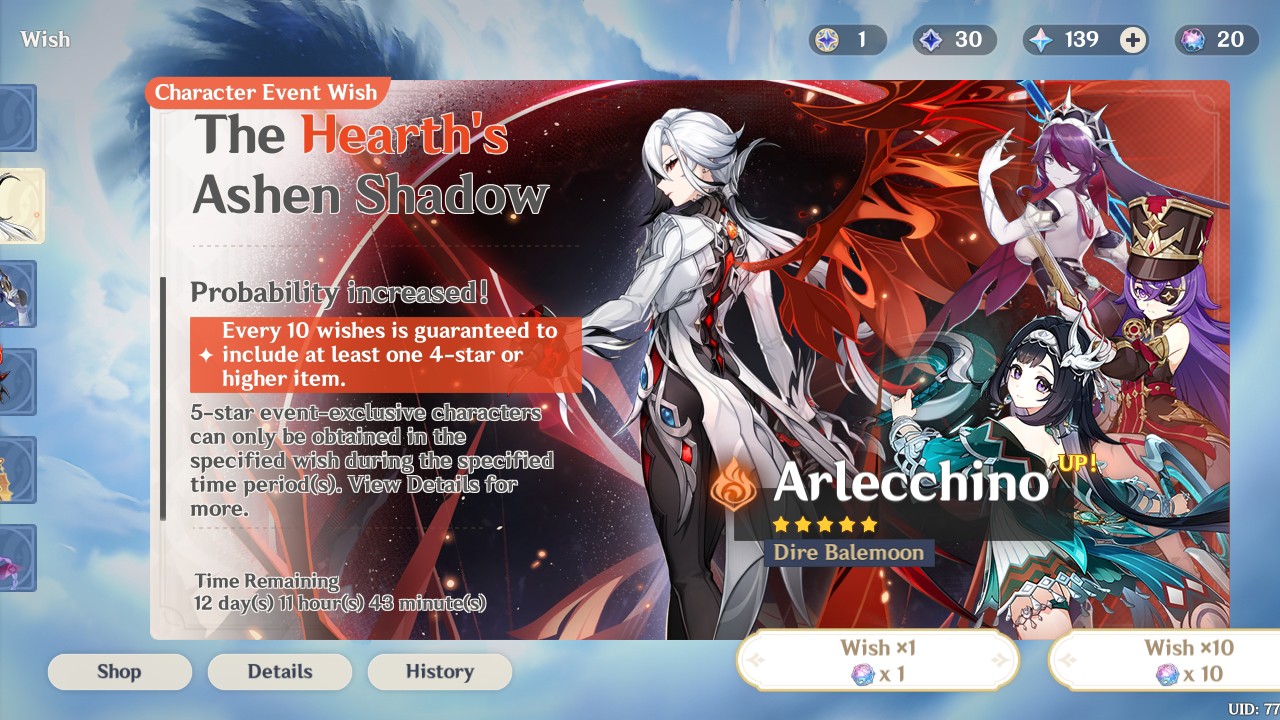
Character-collection games often release new content over time.
New characters introduce additional stories, abilities, visual designs, and team combinations.
This ongoing development can be one of the genre’s greatest strengths.
Players always have something to anticipate.
But the same structure means there may never be a natural point at which a collection feels complete.
Even after obtaining a highly desired character, another appealing release may arrive.
The player’s objective shifts from completing one collection goal to preparing for the next.
This cycle can remain enjoyable when players treat collecting as an optional hobby.
It becomes more concerning when someone feels obligated to obtain every new release regardless of cost.
Not owning a character is not the same as losing access to the entire game.
That distinction is easy to overlook when collecting becomes the central measure of progress.
How Gacha Spending Can Affect Enjoyment
Spending money does not automatically make a game less enjoyable.
Some players are comfortable supporting games they play regularly, and they may consider purchases part of their entertainment budget.
Problems can emerge when the amount spent changes how someone experiences the game.
A player who has invested heavily may feel pressure to keep playing even after losing interest.
Someone who misses a desired reward may focus on disappointment rather than the content they previously enjoyed.
Others may begin comparing their collections with players who have larger budgets.
These experiences illustrate why financial investment and enjoyment do not always increase together.
More spending can provide access to more content or characters, but it cannot guarantee satisfaction.
Are All Gacha Systems Equally Aggressive?
No. Gacha systems vary considerably.
Some provide clearly published probabilities and predictable guarantees.
Others offer different reward pools, progression mechanics, or purchasing structures.
The availability of free currency also differs between games.
So does the importance of obtaining specific characters or equipment.
Evaluating a gacha game therefore requires looking beyond the presence of random rewards.
Useful questions include:
- Are the probabilities clearly disclosed?
- Is there a guaranteed maximum cost for obtaining the desired reward?
- Does pity progress carry over between banners?
- Can players enjoy the main content without making purchases?
- Are rewards primarily cosmetic, or do they significantly affect gameplay?
- Are purchase prices and currency conversions easy to understand?
- Does the game provide useful spending controls?
The answers can reveal important differences between games that might otherwise appear similar.
What Responsible Gacha Design Could Look Like
Developers do not necessarily need to remove every randomized reward to create a more transparent monetization system.
Several design choices can make purchasing decisions easier to understand.
Clear Probability Disclosure
Players should be able to find accurate information about reward probabilities without relying on unofficial explanations.
Understandable Guarantees
If the game includes pity or guaranteed rewards, the rules should be explained in accessible language.
Transparent Real-Money Costs
Currency conversion should not make it unnecessarily difficult to calculate how much a purchase actually costs.
Meaningful Free Progression
Players should have reasonable opportunities to enjoy the game without feeling that spending is required for every important activity.
Accessible Spending Controls
Purchase histories, optional limits, and clear account settings can help players make informed decisions.
These features do not eliminate every potential problem, but they can improve transparency and reduce avoidable confusion.
How Players Can Enjoy Gacha Games Without Chasing Every Banner
Players who enjoy gacha games do not necessarily need to stop participating in randomized reward systems.
However, a few practical habits can help maintain control over spending.
Set a Budget Before the Banner Starts
Decide how much money, if any, you are comfortable spending before beginning a summoning session.
Do not increase that amount simply because previous attempts were unsuccessful.
Calculate the Worst-Case Cost
If the game provides a guaranteed reward after a certain number of pulls, determine how much currency would be required to reach that guarantee.
Do not base a purchasing decision only on the possibility of getting lucky early.
Separate Wanting a Character From Needing One
A character may be appealing without being necessary to enjoy the game.
Consider whether the purchase supports your preferred playstyle or primarily responds to temporary excitement.
Avoid Treating Previous Spending as a Reason to Continue
Money already spent cannot be recovered by making another purchase.
Evaluate the next decision on its own costs and benefits.
Take Breaks From Purchase Decisions
Waiting before spending can provide time to reconsider whether the reward is genuinely worth the price.
If spending is causing financial stress or feels difficult to control, stepping away from purchases and seeking support can be appropriate.
Can Gacha Games Remain Fun Without Spending Money?
For many players, yes.
Free-to-play participation can involve saving currency, prioritizing favorite characters, and accepting that not every reward will be obtainable.
This approach may even introduce a different kind of strategy.
Players must decide which banners matter most and how to allocate limited resources.
However, the experience depends on the game.
Some titles offer generous opportunities to earn rewards through gameplay, while others place greater pressure on paid progression.
Players should evaluate each game’s actual systems rather than assuming all free-to-play experiences are equally accessible.
The important point is that enjoying a game should not require matching the spending habits of its most heavily invested players.
Why the Industry Keeps Returning to Gacha Monetization
Gacha can support ongoing revenue in games that receive regular updates.
Developing new characters, environments, quests, animations, and live-service infrastructure requires resources.
Recurring monetization can help fund continued operation.
However, the commercial usefulness of a system does not automatically make every implementation beneficial for players.
Developers still need to consider fairness, transparency, and the long-term relationship between the game and its community.
A monetization model that generates substantial short-term spending may also create dissatisfaction if players begin feeling that the game prioritizes purchases over enjoyable progression.
Long-term success depends on more than encouraging the next transaction.
It also depends on whether players continue finding the underlying game worth playing.
The Bigger Question: Are Players Buying Entertainment or the Hope of a Reward?
Perhaps the most important distinction in gacha monetization concerns what players believe they are purchasing.
Sometimes the act of summoning is itself part of the entertainment.
A player may enjoy the suspense and accept the outcome regardless of which reward appears.
In other situations, the player wants one specific character and views every unsuccessful pull as an obstacle.
Those experiences are fundamentally different.
If someone enjoys the random process within a predetermined budget, the purchase may function as a form of entertainment.
If someone repeatedly spends more than intended because they cannot accept missing a reward, the same mechanics can become financially harmful.
That difference cannot be determined solely by looking at the number of pulls.
It requires considering the player’s expectations, financial circumstances, and ability to stop.
Conclusion: Gacha Can Be Entertainment, but Spending Should Never Become the Objective
Gacha games combine character collection, uncertainty, progression, and ongoing content in ways that many players genuinely enjoy.
The excitement of obtaining a favorite character can be memorable, especially when that character has a meaningful role in the game’s story or combat system.
But randomized rewards also introduce financial decisions that deserve careful attention.
Limited-time banners can create urgency. Pity systems can influence how players evaluate previous attempts. Virtual currencies can make real-money costs less intuitive.
None of these mechanics means that every player will overspend or that every gacha game operates identically.
However, they help explain why the genre attracts debate about monetization and consumer protection.
For developers, the challenge is creating systems that remain commercially sustainable without making players feel trapped in an endless cycle of purchases.
For players, the challenge is remembering that obtaining every character is not a requirement for enjoying a game.
A good game should give players reasons to return because they enjoy playing—not because they feel compelled to pay for one more chance.